Powering Wisconsin's Economy with Two Pedals
Whether it’s trails through small towns, mountain bike routes in forests and parks or city paths by cafés and lakes, biking is a big part of how people in Wisconsin get around and enjoy the outdoors.
Investments in biking infrastructure continue to return value through tourism, visitor spending, local business activity and the movement of people across communities. Wisconsin’s long history of bicycle manufacturing also plays a major role in shaping that economy.
$5.4 billion
According to a report by the Governor's Coordinating Bike Council, bicycle-related businesses in Wisconsin supported 28,364 jobs and accounted for nearly $5.4 billion in gross output in 2022.
That value shows up every day — riders stopping in town after a trail ride, visitors extending a weekend trip for one more loop and companies building bikes, racks and gear that move into use across the country.
Built on Two Wheels
Trek Bicycle is one of the companies most connected to Wisconsin’s biking identity and will celebrate its 50th anniversary in 2026. Trek started in a Waterloo barn in 1976 with just five employees making steel frames for top performance. Today, it’s a global brand that calls Wisconsin home.
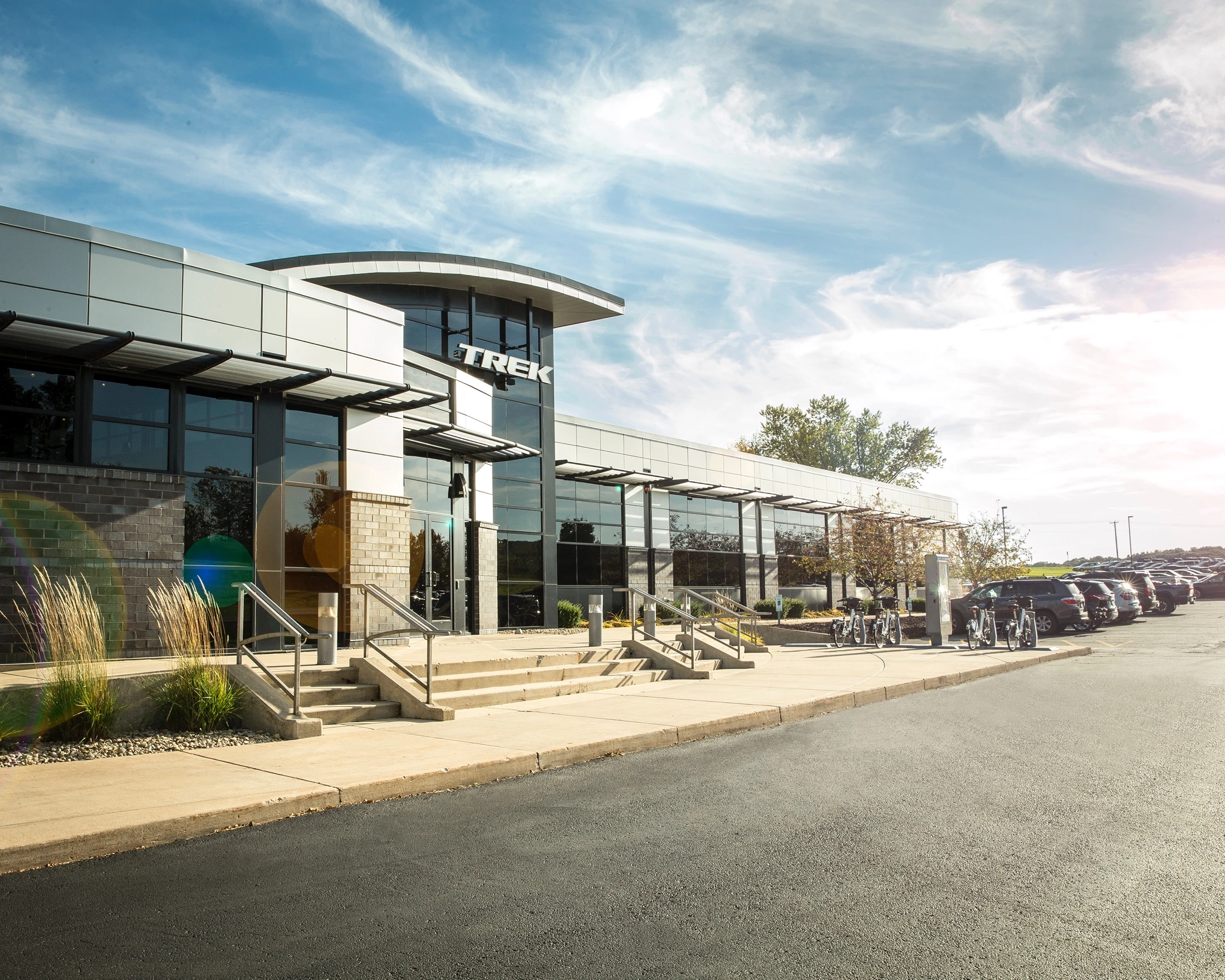
Wisconsin’s cycling scene is much bigger than just one company. Many manufacturers across the state make bikes, parts, accessories and equipment that support riders every day.
Pacific Cycle, headquartered in Wisconsin and known for brands like Schwinn and Mongoose, is part of that broader industry presence. In Bangor, Wyatt Bicycles builds mountain bikes designed for rugged terrain. In Milwaukee, Milwaukee Bicycle Company builds semi-custom frames shaped around rider preferences, from mounting options to finish details.
That manufacturing footprint also extends into the gear and infrastructure that support riding. 1UP USA produces bike racks and transport systems that move bikes between home, trail and destination, while Saris designs racks, trainers and cycling equipment. In La Crosse, Borah Teamwear has spent nearly 30 years producing custom cycling apparel in-house, building high-performance team gear. Planet Bike in Madison continues its long-running mission of designing practical bike accessories while supporting rider-friendly communities through grassroots outreach.
Something for Every Rider
Whether you're on city streets, gravel roads or quiet trails, biking in Wisconsin offers something new around every corner.
Cities like La Crosse, Milwaukee and Madison offer e-bike share programs, making it easy to get from downtown streets to waterfront paths and nearby trails without a car.
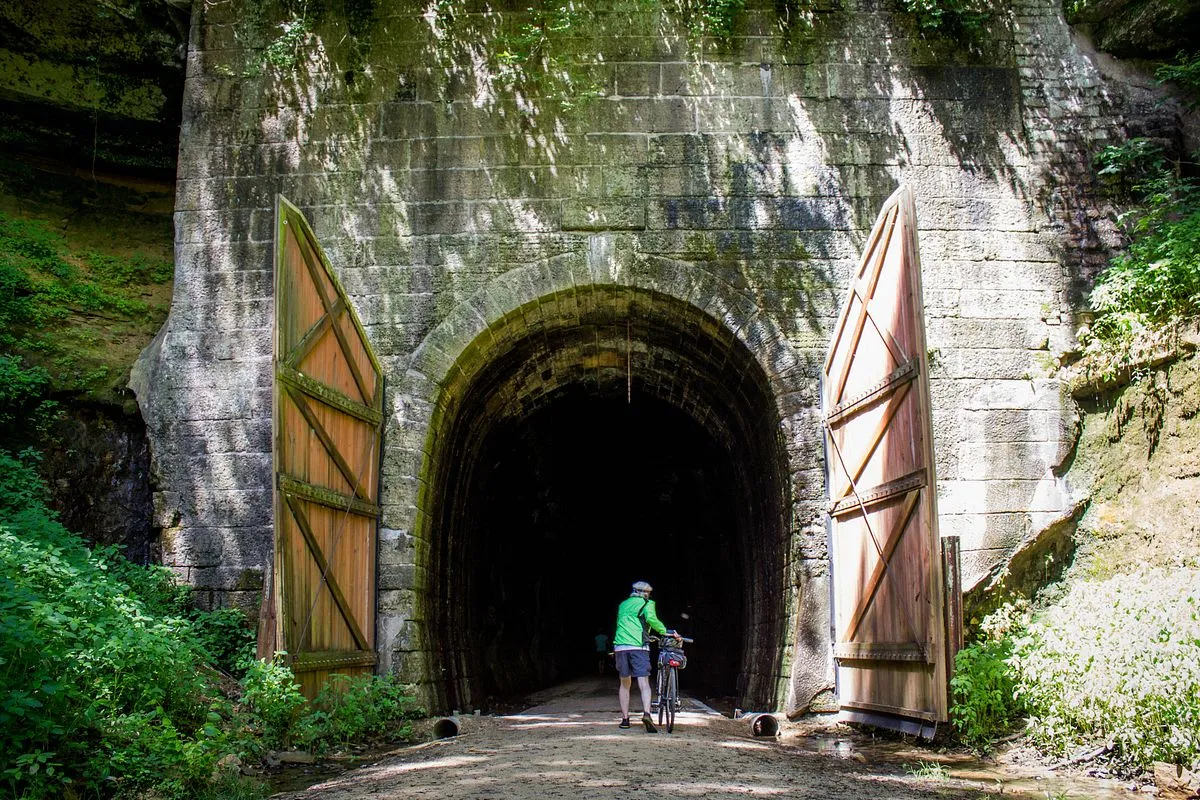.webp?language=en "Man outside tunnel on Elroy-Sparta Trail")
Outside urban areas, riding opens up into long rail trails, quiet paved routes and easy-riding community paths that work well for families, casual riders and longer outings. The Elroy-Sparta State Trail stands out, with its hand-dug tunnels, small-town stops and stretches of countryside that helped define Wisconsin’s rail-trail system. That single route is part of a much larger network — 111 rail-to-trail corridors across the state, totaling nearly 2,000 miles.
Farther out, terrain and riding style shift again. Mountain bike trails run through forests and park systems. Road cyclists follow long river corridors and scenic byways, such as the Mississippi River Trail along the Wisconsin Great River Road, the Door County Coastal Byway and the Wisconsin Lake Superior Scenic Byway. Gravel riders move between farmland, forest edges and rolling glacial landscapes, with conditions that change from region to region.
Measuring the Impact
With help from the Wisconsin Office of Outdoor Recreation’s DIY Economic Impact Program, communities use trail counts, surveys and visitor data to learn how biking supports local economies and daily life.
The results are similar across different projects. On the Three Eagle Trail, data shows steady use by both locals and visitors, and many riders stop at nearby businesses. At Peninsula State Park, new mountain bike trails have attracted more visitors and boosted seasonal spending tied to cycling.
The Heart of Vilas Trail System brings in over 160,000 riders each year, helping support restaurants, hotels and shops in nearby communities. WinMan Trails gets more than 55,000 visits a year and adds about $4 million to the local economy, with most people coming to the area primarily for the trails. In Eau Claire, trail systems generate millions in local spending and even influence where people decide to live and spend their time.
Taken together, the data points to a consistent pattern — when biking infrastructure is measured, the results show increases in visitor activity, local spending and community growth.
Find Your Next Ride
Every ride is supported by a network of businesses, nonprofits, manufacturers, outfitters and organizations that keep Wisconsin’s biking culture alive.
Communities planning new trails or improvements can use the WiBike Community Toolkit from the Wisconsin Office of Outdoor Recreation, which outlines steps from early planning through funding, building and long-term care.
For current conditions and ride planning, the Wisconsin Trail Report at TravelWisconsin.com shows which trails are open and where riders can head next.
Tagged
Publish Date: 06/01/26
Share this page
Then Share Via