Peak Migration: The Economic Power of Birding in Wisconsin
Step outside on a May morning in Wisconsin, and you’ll hear it before you see it. A chorus of returning songbirds, the distinct call of a sandhill crane and the unmistakable song of our state bird, the American robin.
Spring migration is in full swing, adding new energy into our forests, wetlands and grasslands. For millions of birders, this is the moment they’ve been waiting for, and many will travel hundreds of miles to experience it here.
Birding and wildlife watching are powerful economic drivers in outdoor recreation, both nationally and in Wisconsin. Across the United States, an estimated 96 million people participate in birding, fueling more than $107 billion in annual spending, according to the 2022 National Survey of Fishing, Hunting, and Wildlife-Associated Recreation and its birding addendum.
Where Wildlife Drives Local Economies
Few places capture that impact as clearly as Horicon Marsh. Spanning more than 32,000 acres, it is the largest freshwater cattail marsh in the United States and one of the Midwest’s premier birding destinations. This makes Horicon Marsh a steady economic driver for its surrounding communities.
According to a U.S. Fish & Wildlife Service economic analysis, the Horicon National Wildlife Refuge recorded more than 434,000 recreational visits in a single year. Those visits generated approximately $6.5 million in local spending, supporting more than 100 jobs and contributing nearly $8.6 million in economic impact within Dodge and Fond du Lac counties.
All across our state, destinations expand that impact and draw visitors from across the country. Places like Crex Meadows Wildlife Area, Necedah National Wildlife Refuge, Trempealeau National Wildlife Refuge and the Great Lakes Birding Trail are just a few of the countless hotspots that keep birders moving — and spending — through every corner of Wisconsin.
Conservation Putting Wisconsin on the Map
In central Wisconsin, that draw becomes even more specialized. The greater prairie-chicken is a state-designated threatened species with habitat concentrated in just a few strongholds, including Buena Vista Wildlife Area, Leola Marsh Wildlife Area and Paul J. Olson Wildlife Area. Each spring, birders travel in for a narrow window to witness their booming displays.
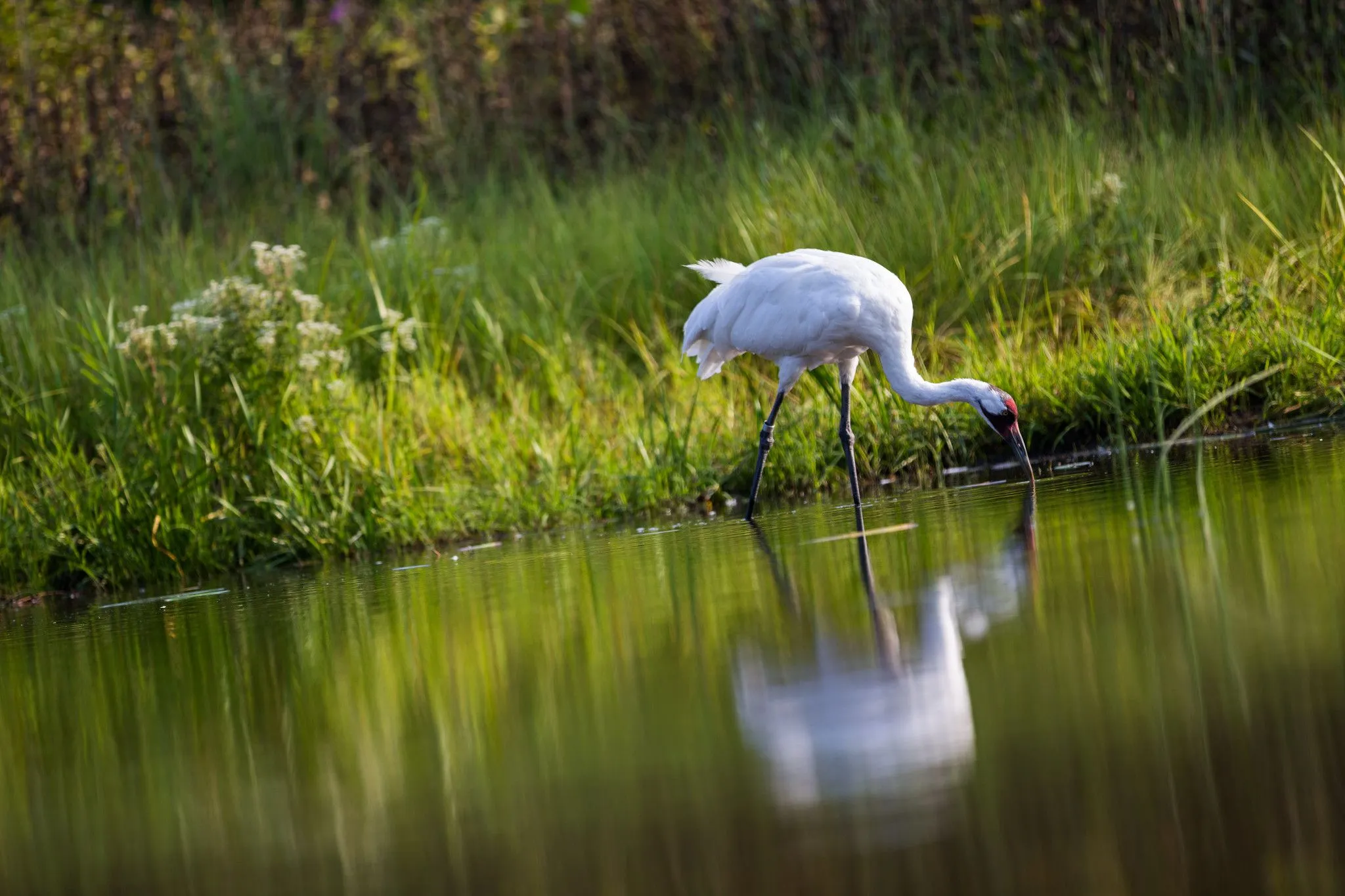
And at the International Crane Foundation, visitors can see all 15 species of cranes. Their work with the endangered Whooping Crane has helped establish Wisconsin as one of the few places the species can be observed in the wild.
That experience extends into the fall as well. At the Aldo Leopold Foundation, visitors can explore the Leopold-Pines Conservation Area, a designated Important Bird Area, and take part in guided tours to witness thousands of sandhill cranes staging before migration. In partnership with the International Crane Foundation, events like the Great Midwest Crane Fest further highlight Wisconsin’s role as a destination for crane conservation.
Shaping Our Communities
Bird City Wisconsin is a program that helps communities take simple, measurable steps to support birds and people through habitat protection, education and local stewardship. Today, 85 Wisconsin communities have earned the designation. For communities looking to take the next step, Bird City Wisconsin offers a clear framework for building habitat, engaging residents and supporting local bird populations.
Built in Wisconsin
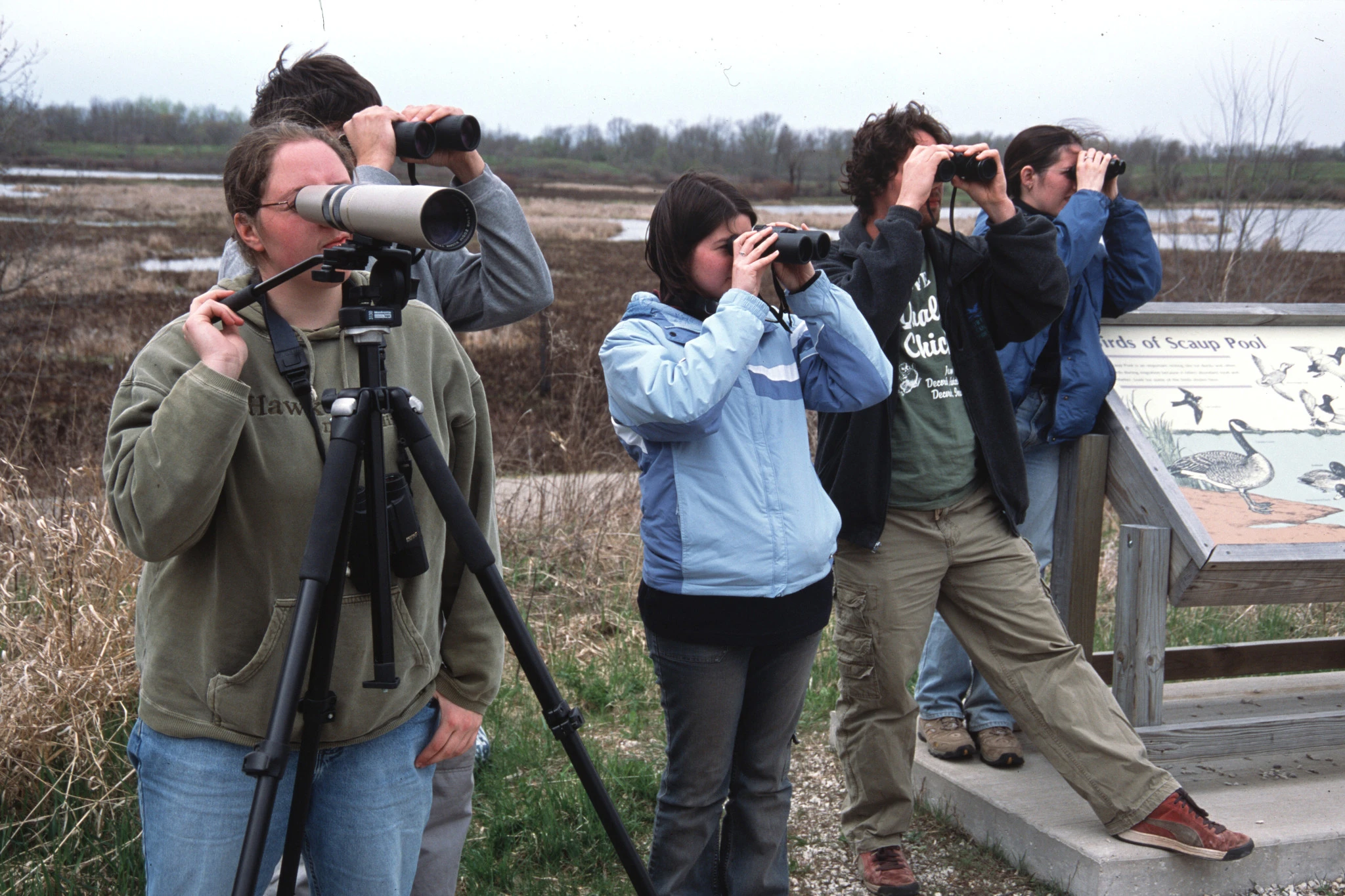
Vortex Optics has become a leading name in optics, producing the binoculars and spotting scopes used by birders worldwide. Its Barneveld headquarters also provides easy access to nearby trails and a nature conservancy, connecting employees to the same outdoor experiences their products are designed for.
According to the 2022 national survey, birders spent $93 billion on equipment and related purchases, reinforcing how wildlife watching supports not just destinations, but manufacturing and retail as well.
Easy Access to Wisconsin’s Outdoors
Birding is one of the most accessible outdoor activities in the country. It often starts in a backyard and grows into travel, gear and a deeper connection to the outdoors.
That accessibility is part of what brings people to Wisconsin each spring. It draws visitors into marshes, prairies, river valleys and shorelines at the exact moment when wildlife activity peaks, connecting a simple observation to real movement through local communities. For those looking to explore new places, sharing tools like the Wisconsin Outdoor Recreation Inventory make it easier to find birding opportunities across the state, helping more people discover where to go and when to experience it.
Tagged
Publish Date: 05/01/26
Share this page
Then Share Via